Enterprise AI advisory · Garland, Texas
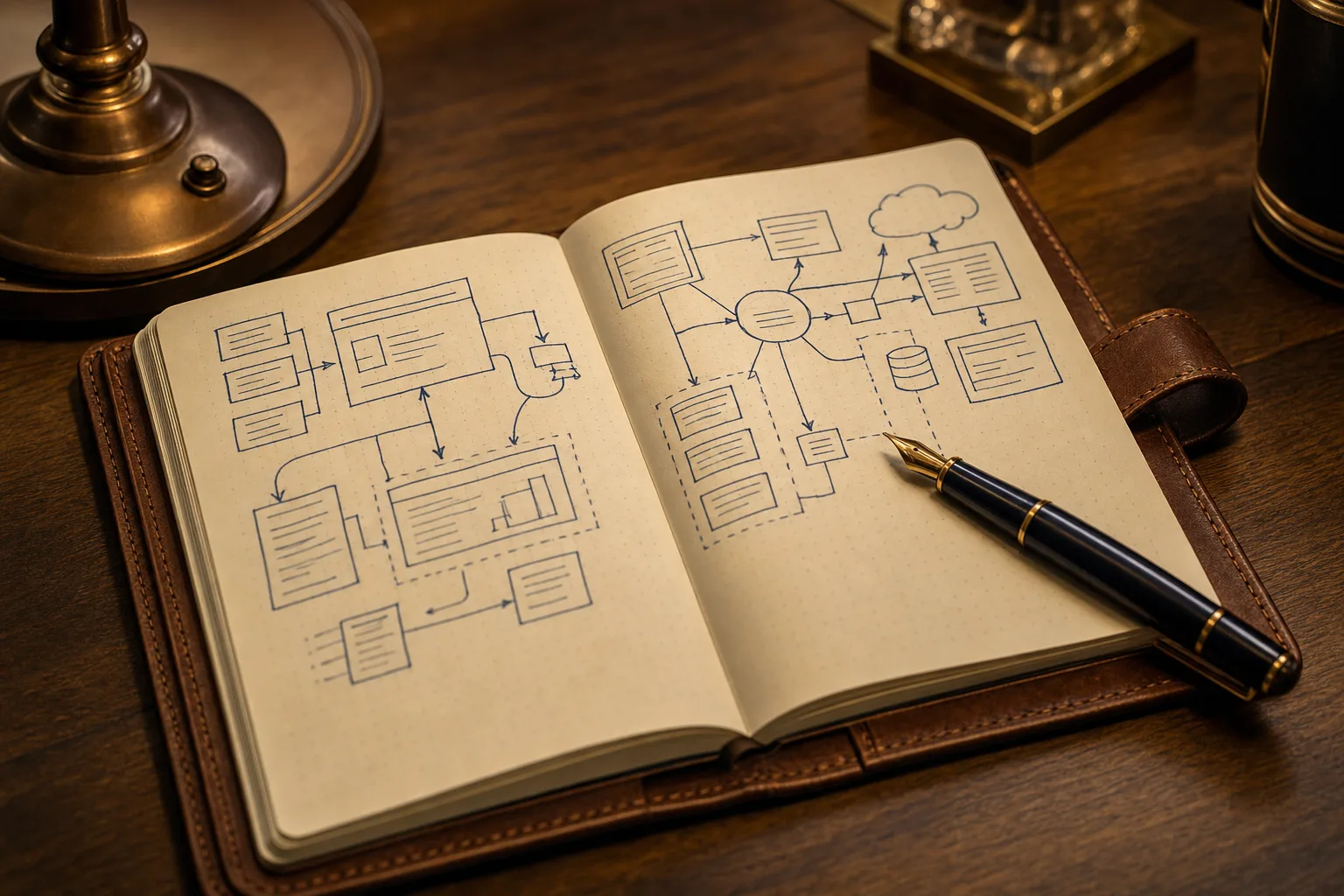
From AI pain point to working prototype, stack, and production plan.
For CIOs, COOs and operating leaders who need governed AI systems in production, not another AI strategy deck.
I help enterprise leaders turn one painful workflow into a governed AI system: prototype, architecture, cost model, risk controls, and a handoff package for engineering. Thirty years of running mission-critical infrastructure is what makes the advice practical.
Most AI advisors produce slide decks. This one produces working systems.

- 10 AI workflows in production
- 30,761 users
- $0.015 per query, all-in
- 367 governed documents
- CISSP · CDMP Master
Sustained in production since October 2024, across nine business functions. Read the case study.
Ways to start
Three starting engagements.
Each one ends in something you can act on. Scope and commercial terms are agreed per engagement.
-

AI Pain-Point Prototype Sprint
Turn one workflow problem into a working prototype and a production handoff plan.
What happens in a sprint -
Governed AI Readiness Assessment
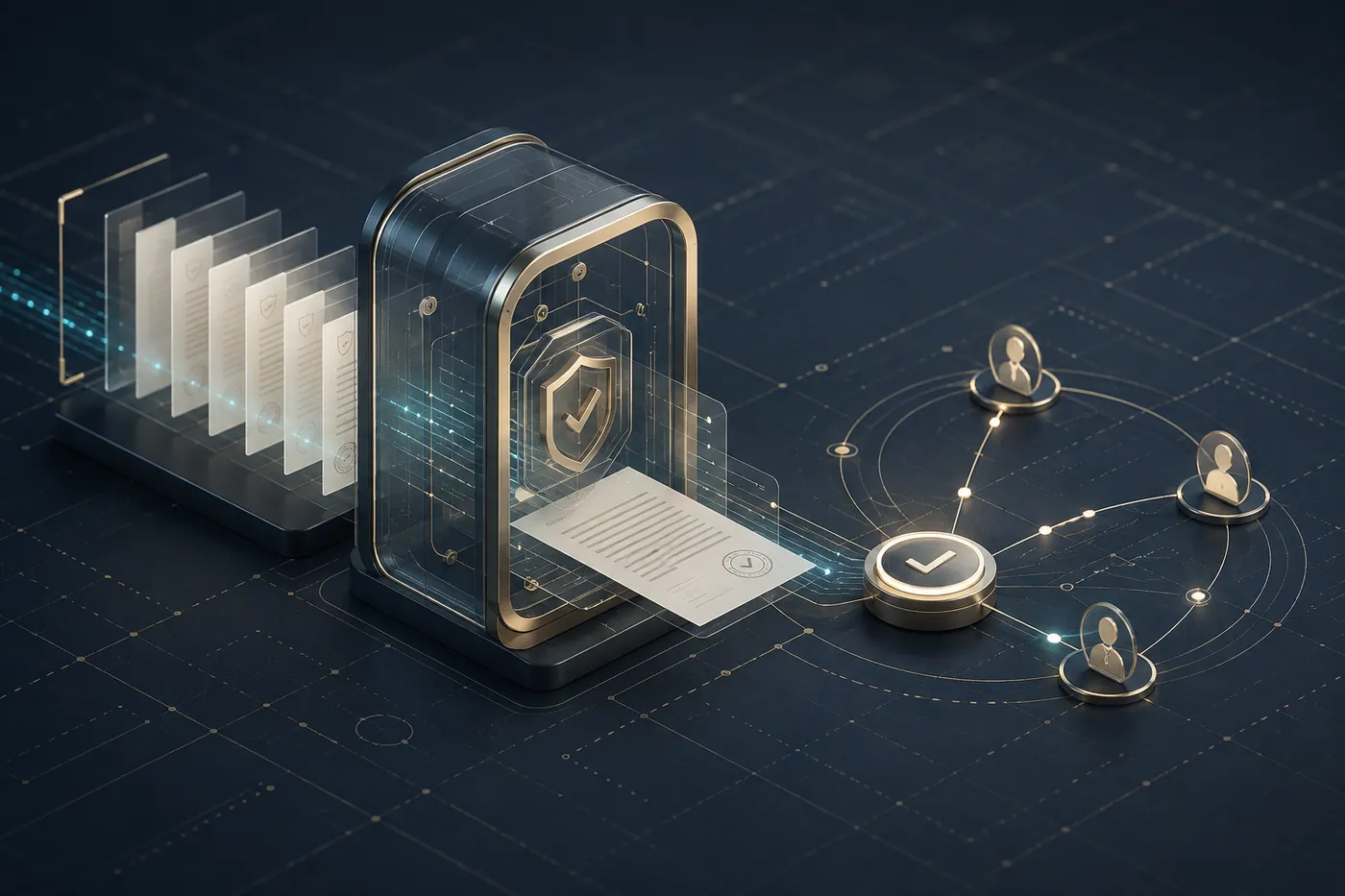
Identify which AI use cases are safe, valuable and realistic given your data, controls and infrastructure.
What the assessment covers -

Fractional AI Program Director
Lead AI delivery across departments where business owners, IT, security and vendors all need coordination.
How the role works
Fit
You should call me when:
- Your AI pilots are stuck before production.
- Your data cannot leave your governance boundary.
- Your executives want AI value, but IT needs controls.
- Your engineers need a proven prototype, not a vague mandate.
- Your AI cost, risk and ownership model is unclear.
If none of those describe you, a call is probably premature. If two or more do, the first conversation is usually short and useful.
Areas of work
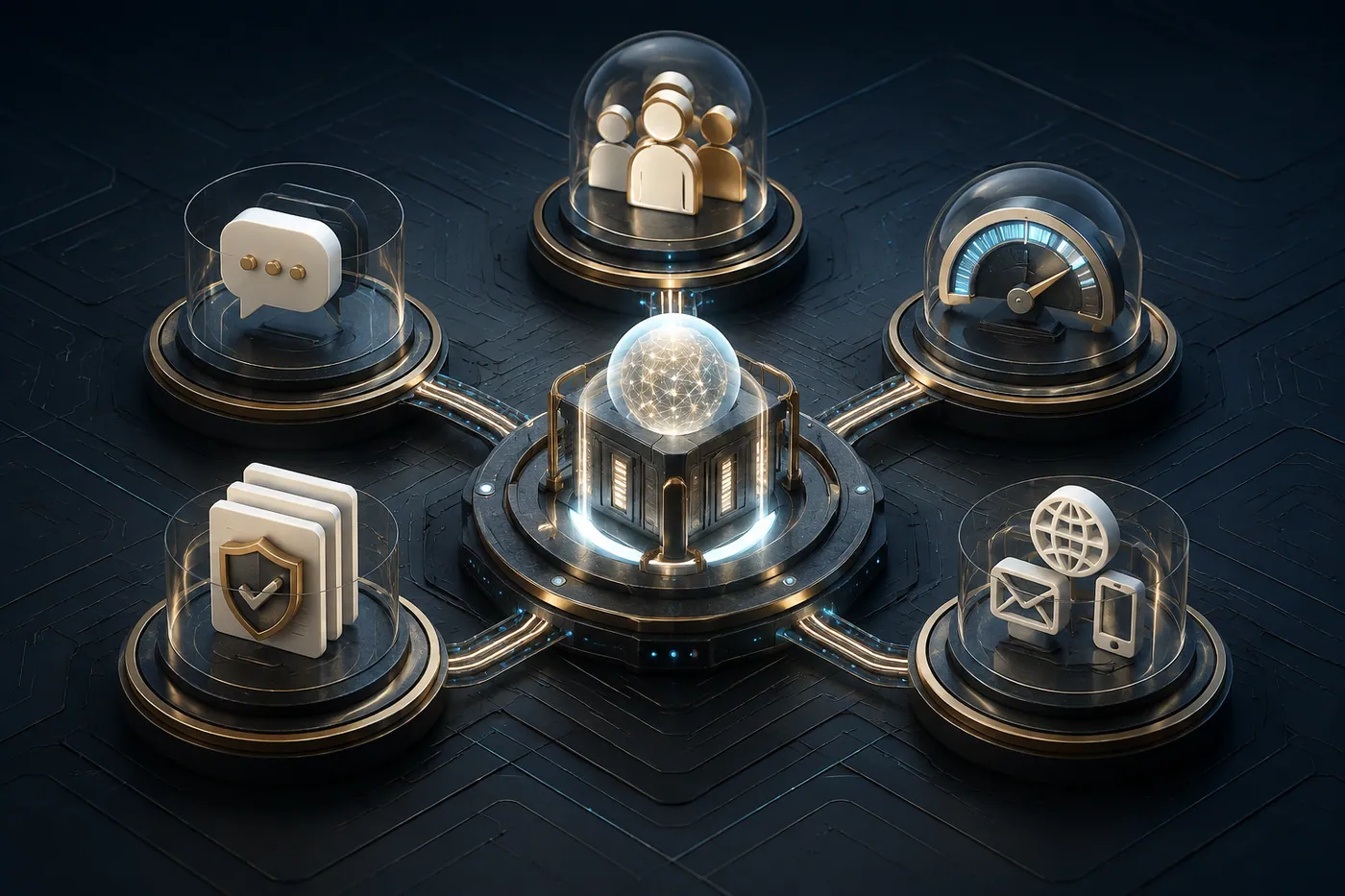
Four areas of work. Each one ends in something you can use, not just something you can read.
-
AI strategy and operating model
Value cases, target operating model, governance, risk tiering, adoption approach and roadmaps. I deliver these as interactive multi-scenario models rather than slide decks: configurable scenarios, resourcing, cost and total cost of ownership, use-case specifications with acceptance criteria, and a reference architecture carried through to a procurement-ready bill of quantities. Change an assumption and the resourcing, the cost and the plan move with it.
-
AI program delivery
Taking use cases from pain point to production, working through teams that do not report to me. The sponsoring department owns the outcome and the engineers own the build. I get each use case to a demonstrated proof of concept and then direct the build to a system that is live, measured and governed, with metering and human-in-the-loop controls in place from the first day.
-
Technology operations
Infrastructure, availability and continuity, service operations, vendor and contract governance, and the executive metrics that show whether any of it is working. This is the discipline I have practiced for thirty years. It is also why the stack decisions inside an AI program, from hardware and GPU sizing to operating systems, databases, security and data management, come from someone who has run them at scale.
-
Security and data governance
Cybersecurity operating models, risk registers, data ownership, data quality and lineage frameworks, and audit readiness. An AI system inherits every weakness in the data and controls beneath it, so I treat governance as part of the architecture rather than a review at the end.
How I work
From pain point to working proof of concept, in five steps.
“I set the technical bar by getting to a working thing first, not by describing one.”
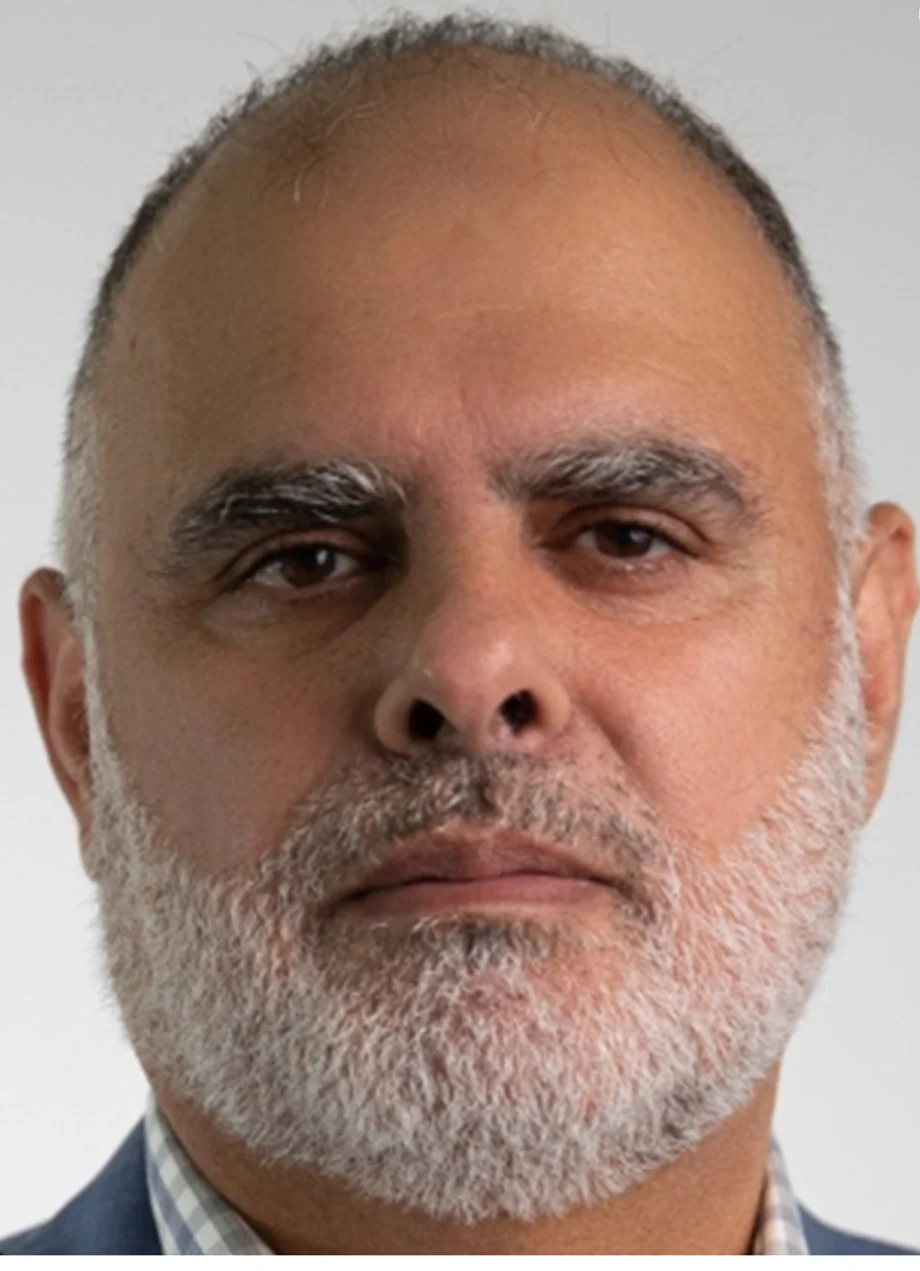
Samir Shukri Mohammed

-
Start with the pain point, not the technology
I sit with the people who own the problem, understand what it costs them in time, risk and effort, and agree what a solved version looks like and how we would know. Every later decision is measured against that.
-
Design the solution
Architecture, data sources and integration points, the risk tier and the human-in-the-loop controls that tier requires, and the acceptance criteria the system has to meet. The design is written to be built, not to be presented.
-
Build the working prototype myself
Using AI coding tools, I build a working prototype against real documents and real data wherever governance allows. The prototype is the argument. The people who own the pain point use it, and the conversation moves from whether this could work to what it needs before it goes live.
-
Specify the stack end to end
Hardware and GPU sizing, operating systems, databases, security, data management, model routing and cost metering. Thirty years of running enterprise infrastructure means these choices are made by someone who has been accountable for keeping systems like them running.
-
Hand over a demonstrated system
Engineers take a working, demonstrated system to production, not a document that describes one. The specification has already been proven by the prototype. I stay involved to direct the build, hold the technical bar, and keep the outcome tied to the pain point we started with.
The distance between a decision and a live system gets shorter. The engineers who take it to production are not interpreting a vision. They are hardening something they have already seen work.
Live on this page
Rather than describe the method, this page runs it.
There is an assistant in the corner of this site. It answers questions about the practice from this site's own content, and it shows you which page it drew each answer from. Where it does not know something, it says so instead of inventing an answer.
It is a small thing next to a production platform serving 30,761 people. It is here for the same reason the prototype comes before the specification: a working example settles a question that a paragraph only argues about.
Ask it something specific
Each one opens the assistant and asks it. Answers come from the practice reference, which is published in full.
Track record
An AI program in production, and thirty years of operations behind it.
Ten AI workflows in production across nine business functions
Over roughly two years I designed and led an AI adoption program at a large research university that put ten AI workflows into production across nine business functions. Every one of them shipped into a department that did not report to me. The platform has been sustained in production since October 2024. It is not a pilot.
Read the full case study — the problem, the constraints, the governance model, the cost model, and what changed operationally.

5.16 billion tokens processed for $2,215 in total model spend.
- 30,761users
- 151,950queries
- 99.38%positive feedback
- 367governed documents
- 5delivery channels
What changed
- Service operations moved from days to minutes on routed requests.
- Document-heavy review dropped from more than thirty minutes to under five.
- Demand forecasting is now used by 25 departments for planning.
- 367 governed documents are served through a single role-aware gateway across five channels.
Representative workflows
- An institutional answer gateway over governed policy documents, with citations.
- AI-native admissions screening using vision, OCR and document parsing.
- An advising and course-planning engine running against live student records.
- Procurement split-request detection using similarity analysis and graph clustering.
- An AI service desk that drafts every response and sends none. A human approves every reply.
Thirty years of mission-critical operations
Telecommunications service operations and information security at national scale. ICT and trunk infrastructure for a major Gulf development program. Most recently, the full technology estate of a research university: 600+ servers across on-premise data centers, 12 research centers, 390 laboratories, 7,000+ staff and faculty, and a US$41M budget. Security maturity was raised from 75% to 88% under formal assessment. An enterprise data management program was built from zero, and two formal audits were passed.
- 600+servers, on-premise data centers
- 390laboratories
- 7,000+staff and faculty
- US$41Mtechnology budget
- 75→88%security maturity, formally assessed

Platform and stack fluency
The AI platform above runs in-house, and that is a deliberate choice. On-premise data centers. Clustered SQL Server, including vector search. .NET applications. Microsoft 365, Teams and Entra SSO. Large language models are reached through a governed in-house gateway over direct provider APIs, 20+ models across 5 providers, with routing, PII masking, audit logging and per-query cost metering. Retrieval-augmented generation with citation. Vision and OCR document intelligence. Human-in-the-loop controls set per risk tier.
Running a full production AI platform in-house on direct provider APIs is what delivers both the data-control story and the unit-cost story. The data never leaves the institution's governance, and every query is metered against a known cost.
Credentials
Certified across security, data, service management and infrastructure.
- CISSPCertified Information Systems Security Professional
- CDMP MasterDAMA International, the highest examined level
- ISO/BS 27001 Lead AuditorInformation security management systems
- ITILIT service management
- MCSEMicrosoft Certified Systems Engineer
- CCNACisco Certified Network Associate
- B.Sc. Electrical EngineeringControl Systems, The University of Arizona, 1990
Background
Three decades across telecommunications, infrastructure and higher education.
U.S. citizen, based in Garland, Texas, in the Dallas–Fort Worth area. I work remotely and serve clients internationally, with deep experience in the Gulf.
- 2026 – presentPrincipal, AS Enterprise AI Advisory LLCGarland, Texas
- 2023 – 2026Director of Digital Servicesa leading Gulf research university
- 2013 – 2023Head of Information Technologya UAE higher-education institution, full P&L
- 2011 – 2013Senior Manager, Information Technologya UAE technical institute
- 2008 – 2011Senior Project Manager, ICT and Trunk Infrastructurea Dubai development group
- 2001 – 2008Information Security and Quality Managera regional telecommunications operator
- 1995 – 2001Regional Technical Manageran IT integrator in Dubai

Serving clients internationally, with deep Gulf experience.
Contact
Start with the pain point. I will bring the working thing.
A useful first message names one workflow that is costing you time, risk or effort, and who inside the organization owns it.
- Email [email protected]
- Phone (469) 922-0170
- LinkedIn linkedin.com/in/samir-shukri-mohammed-7b543a
- Location Garland, Texas · serving clients internationally